When shopping for diamonds, one of the most important factors to consider is the diamond cut. But what exactly does diamond cut mean, and how does it affect the overall appearance and value of a diamond? This concept is critical, especially when comparing natural diamonds to lab-created diamonds. This article explores what diamond cut means, how it impacts the brilliance and sparkle of a what does diamond cut mean, and the connection between diamond cut and lab-created diamonds.
Table of Contents
ToggleWhat Does Diamond Cut Mean?
Diamond cut refers to how a diamond has been shaped and faceted by a skilled jeweler. It is one of the “Four Cs” of diamonds—along with carat, color, and clarity—that determine the overall quality and value of a diamond. Unlike the diamond’s shape, which refers to its physical outline (such as round, oval, or emerald), diamond cut refers to how well the facets of the diamond interact with light.
A well-cut diamond will reflect light more effectively, resulting in more brilliance and sparkle. The quality of the cut impacts how the diamond performs, with well-cut diamonds exhibiting an impressive shine and poorly cut diamonds appearing dull. This is why understanding what diamond cut means is crucial when selecting a diamond, as the cut can drastically affect the diamond’s visual appeal.
How Does Diamond Cut Affect Brilliance?
When examining what diamond cut means, it’s important to understand how the quality of the cut influences the diamond’s brilliance. Brilliance is the amount of white light that is reflected from the diamond, and it plays a key role in how a diamond sparkles. A well-cut diamond will have facets that are proportionally aligned, allowing light to enter and reflect within the diamond, creating the bright, eye-catching brilliance that we associate with high-quality diamonds.
If the cut is too shallow or too deep, light can escape through the sides or bottom of the diamond, resulting in a duller appearance. Therefore, understanding what diamond cut means is vital, as it helps you identify which diamonds will have the most captivating sparkle.
The Impact of Cut on Diamond Price
The diamond cut significantly influences its price, making it a critical consideration when purchasing a diamond. Since a well-cut diamond maximizes the reflection of light, it often commands a higher price compared to lab created diamonds with inferior cuts. This is true for both natural diamonds and lab-created diamonds, as the quality of the cut remains an essential factor in both.
The cost difference can be noticeable when comparing diamonds with similar carat, color, and clarity grades, but with different cuts. Lab-created diamonds, which are grown in a controlled environment, can often be less expensive than natural diamonds of similar quality, allowing you to focus on the importance of cut without breaking the bank.
Diamond Cut and Lab-Created Diamonds
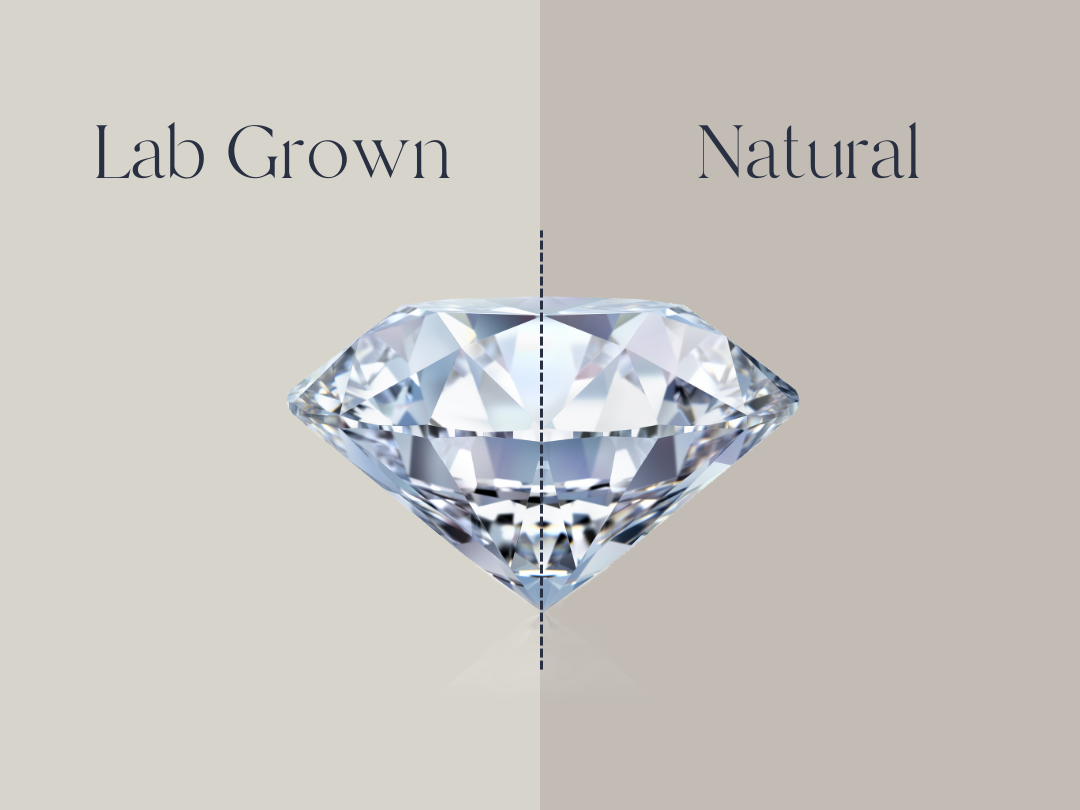
Lab-created diamonds have gained popularity in recent years, offering a more affordable alternative to natural diamonds while still maintaining the same chemical, physical, and optical properties. One key feature of lab-created diamonds is that they can be produced with greater precision, allowing jewelers to focus on the cut without the natural imperfections found in mined diamonds.
Understanding what diamond cut means in the context of lab-created diamonds is essential. Since these diamonds are crafted in controlled environments, they can often be cut with more exacting standards, resulting in diamonds that exhibit exceptional brilliance and sparkle. Lab-created diamonds are an excellent choice for those who want a high-quality diamond but prefer a more sustainable and cost-effective option.
Choosing the Right Diamond Cut for Your Lab-Created Diamond
When selecting a lab-created diamond, it’s important to consider the type of cut that suits your preferences. While the “ideal” cut will maximize brilliance and fire, other cuts, such as the cushion or princess cut, offer distinct styles and looks. What diamond cut means to you depends on your taste and the overall aesthetic you’re hoping to achieve.
It’s also crucial to remember that lab-created diamonds come in a variety of cuts, and understanding the differences between each one will help you make an informed decision. Whether you’re looking for a round brilliant cut or something more unique, the cut will impact both the appearance and the cost of the diamond.
What Does Diamond Cut Mean for Diamond Quality?
The quality of a diamond’s cut is an essential part of its overall grade. A diamond with an excellent cut can sometimes appear more beautiful than a larger, higher-carat stone with a poor cut. While other factors like carat, color, and clarity are important, cut often plays the most significant role in determining a diamond’s visual appeal.
For lab-created diamonds, achieving a perfect cut is sometimes easier than with natural diamonds, due to the ability to control the growth process in a lab environment. This means that many lab-created diamonds can have excellent or ideal cuts, providing exceptional value for those who want both quality and affordability.
Final Thoughts on What Diamond Cut Means for Lab-Created Diamonds
In conclusion, understanding what diamond cut means is key when purchasing any diamond, whether natural or lab-created. The cut determines how well a diamond reflects light and affects its overall brilliance and visual appeal. Lab-created diamonds, due to their controlled manufacturing process, offer the opportunity for exceptional cuts that can rival the best of natural diamonds. When purchasing a diamond, prioritize cut quality to ensure that your diamond has the desired sparkle and brilliance, creating a beautiful and timeless piece of jewelry.
By focusing on what diamond cut means and how it enhances the beauty of both natural and lab-created diamonds, you can confidently choose a diamond that fits your preferences and budget.